The fitness industry has never been more commercially dynamic — or more structurally complicated. The global fitness market reached $96.7 billion in 2025, according to IHRSA, and is projected to exceed $130 billion by 2028. But the growth is uneven: boutique fitness studios, digital-first platforms, and direct-to-consumer fitness equipment brands are thriving while traditional gym chains face persistent attrition from consumers who built home fitness habits during the pandemic and never fully returned. The marketing challenge across the fitness landscape is simultaneously reaching people where they are — more fragmented across digital, in-home, and in-person channels than ever — while communicating in ways that transcend the performative aesthetics that have historically excluded large portions of the potential market. Here are the 13 trends defining fitness marketing in 2026.
1. Wellness Positioning Beyond Physical Performance
The definition of fitness has broadened dramatically in consumer consciousness. Where fitness marketing once centred almost exclusively on body transformation — before and after images, weight loss metrics, muscle gain documentation — the dominant positioning in 2026 encompasses mental health benefits, stress reduction, energy management, social connection, and longevity. This is not merely a marketing language shift — it reflects genuine behaviour change in why people engage with fitness. The American College of Sports Medicine’s 2026 Fitness Trends report identifies mental wellness as the primary stated motivation for new gym joiners for the third consecutive year, overtaking weight management for the first time in the survey’s history.
The commercial consequence is that fitness brands positioned exclusively around physical aesthetics are losing market share to those communicating broader wellness outcomes. Lululemon’s movement from yoga apparel brand to holistic wellness lifestyle brand is the clearest example of this positioning evolution executed at scale. The fitness brands winning in 2026 are those whose marketing genuinely communicates the full-spectrum benefits of their product or service — not just the physical transformation, but the mental clarity after a workout, the community belonging created by a group class, the longevity investment in consistent strength training. This expanded value proposition reaches the 60–70% of the potential fitness market that is not motivated primarily by aesthetic goals and has historically not responded to the body transformation messaging that dominated the category for decades.
2. Hybrid Fitness and the Multi-Modal Consumer
The fitness consumer of 2026 is multi-modal by default. They maintain a gym membership for the equipment, community, and training variety it provides, while using digital fitness apps on days they can’t make it in, following free YouTube workout content for specific training modalities, and attending boutique classes for motivating experiences they value as occasional treats rather than regular commitments. This hybrid consumption pattern creates both a challenge and an opportunity for fitness marketers: the challenge of competing across channels for a share of a consumer’s dispersed fitness activity, and the opportunity of serving that consumer across the full spectrum of their fitness engagement rather than fighting for exclusivity.
The fitness brands capturing the most value from the hybrid consumer are those with genuinely compelling offerings in multiple modalities rather than one strong product and a weak app or token in-person offering. Peloton’s evolution from connected bike company to broader fitness platform — adding strength, yoga, running, and outdoor content — is the most visible example. The marketing strategy that works for hybrid fitness brands is ecosystem positioning: communicating the brand as the partner for the consumer’s entire fitness life rather than a single product experience. This requires a customer relationship infrastructure that spans app, physical, and digital channels — tracking engagement across all touchpoints and delivering communication that reflects the individual’s specific usage patterns rather than treating app users and gym members as distinct customer segments.
3. Community-Led Fitness Marketing
The most durable fitness brands have always been community brands. CrossFit’s “box” culture, Soul Cycle’s cult-like class community, Parkrun’s free, volunteer-led 5k movement — these are fitness products whose marketing is essentially the community itself. Members recruit their social networks because belonging to the community is part of the value, and those networks recruit further. The word-of-mouth compounding of community-led fitness is commercially exceptional: the average CrossFit affiliate acquires the majority of its new members through existing member referrals, at essentially zero acquisition cost, while retaining those members at rates that paid-acquisition gyms cannot achieve.
Building community-led growth in fitness requires genuine product design for community from the outset — physical environments that facilitate connection, class formats that create shared achievement, digital spaces that extend the community beyond the workout, and events that provide reasons to participate together beyond the regular training schedule. The marketing function in community-led fitness is largely facilitation rather than promotion: creating the infrastructure and occasions for community to express itself, documenting authentic community moments and sharing them through brand channels, and ensuring that the community experience is consistently excellent rather than that the marketing of it is consistently aspirational. The brands that over-invest in marketing the community while under-investing in the community itself are rapidly exposed by the gap between promise and reality — the fitness category’s version of the authenticity test that sophisticated consumers apply to every brand claim.
4. Personalised Training Programmes and AI Coaching
AI-powered personal training — workout programmes that adapt in real time to individual performance, recovery data, schedule constraints, and progression patterns — has crossed from experimental to mainstream in 2026. Apple Fitness+’s personalised recommendations, Freeletics’ AI coaching, Whoop’s training readiness score, and a generation of fitness apps built on adaptive programming algorithms are marketing genuinely personalised fitness guidance at consumer price points that were previously only accessible through one-on-one personal training. The fitness brands that can credibly communicate “this programme adapts to you specifically” are reaching consumers who have historically dropped out of generic programmes when the one-size-fits-all approach stopped working for their individual situation.
The marketing of AI fitness coaching requires walking a careful line between the genuine benefit of personalisation and overclaiming capabilities that the technology doesn’t yet deliver. Consumers are sophisticated enough to notice when “AI coaching” is a renamed static programme selector, and the credibility damage from this overstatement is significant in a category where consumer scepticism of marketing claims is already high. The fitness brands marketing AI coaching most effectively are those that are specific about what personalises — “your programme adjusts recovery days based on your HRV data and reported fatigue levels” is more credible than “our AI creates your perfect programme.” Specificity builds trust. The fitness brands that have built genuine adaptive programming capability and communicate it specifically are acquiring and retaining customers at rates that generic programme competitors cannot match, and the data flywheel — more user data generating better programme quality generating more user retention generating more data — is building a defensible competitive position.
5. Wearable Technology Integration and Data-Driven Marketing
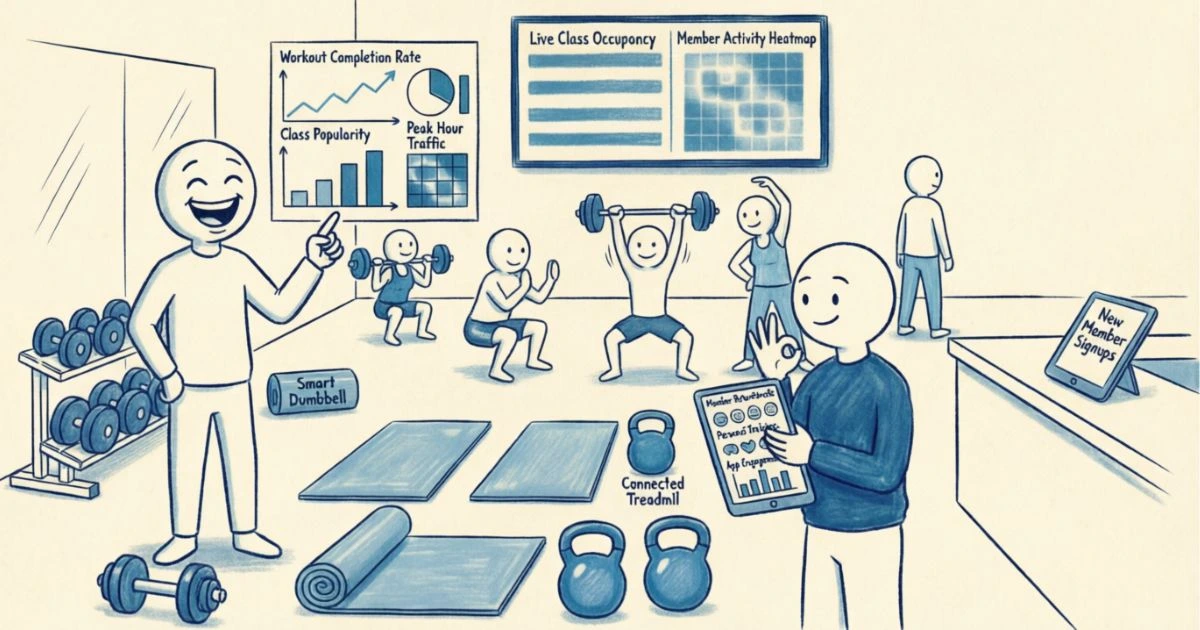
Wearable fitness technology has become mainstream infrastructure for the engaged fitness consumer. Apple Watch, Garmin, Whoop, Oura Ring, and a generation of specialised fitness wearables are generating detailed physiological data — heart rate variability, sleep quality, training load, recovery status, movement patterns — that is reshaping how fitness products are developed, marketed, and experienced. The fitness brands that integrate seamlessly with the wearable data ecosystem are providing value that wearable-independent competitors cannot: contextually relevant workout recommendations based on current recovery status, performance trend analysis that demonstrates product efficacy, and communication timing based on actual user readiness rather than arbitrary marketing calendars.
The marketing opportunity in wearable data goes beyond product integration. Fitness brands that publish population-level data insights from their user communities — aggregate trends in training behaviour, recovery patterns, seasonal fitness cycles — are generating earned media coverage and social sharing from health-curious audiences who find data stories inherently compelling. Whoop’s annual fitness data reports, Strava’s year-end “Year in Sport” analysis, and equivalent data journalism from major fitness platforms generate press coverage and organic social sharing that positions these brands as authoritative voices in the fitness conversation rather than just product sellers. The brands investing in data storytelling as a content marketing format are building the media presence and authority that conventional fitness advertising cannot efficiently create.
6. Sustainable and Ethical Fitness Brand Positioning
Consumer expectations around sustainability have reached the fitness equipment and apparel market in force. The environmental impact of synthetic athletic fabrics — microplastic shedding, fossil fuel-derived materials, manufacturing process emissions — is increasingly part of the fitness consumer’s purchasing consideration, particularly among the younger demographics that drive category growth. Brands like Patagonia (whose outdoor performance positioning overlaps significantly with fitness), Girlfriend Collective (recycled fabric athletic wear), and Adidas’s ongoing collaboration with Parley for the Oceans have demonstrated that sustainable positioning in performance apparel does not require sacrificing technical capability claims.
The sustainability marketing challenge in fitness is identical to that in fashion: proof over promise. The fitness consumer demographic that cares most about sustainability is simultaneously the most sceptical of greenwashing — they have the digital literacy to verify claims and the social networks to rapidly amplify exposure of inauthenticity. Fitness brands that invest in sustainable materials, manufacturing practices, and supply chain transparency — and market those investments with specific, verifiable claims rather than aspirational language — are building genuine brand equity with the sustainability-motivated consumer. Those using sustainability imagery without operational substance are building short-term positioning at the risk of significant long-term reputational exposure. The most successful sustainable fitness brand marketing in 2026 uses product design transparency — “here is exactly what this fabric is made from and here is the certification that verifies it” — as the primary communication rather than emotional appeals to environmental values.
7. Short-Form Fitness Content and Creator Ecosystem Marketing
TikTok and Instagram Reels have created a fitness content ecosystem of extraordinary scale and commercial influence. “FitTok” — the fitness content community on TikTok — has grown to billions of content views monthly, with workout trends, nutrition advice, transformation documentation, and fitness challenges spreading virally through algorithmic amplification and community participation. The fitness brands that understand and participate in this ecosystem — as content creators, creator partners, and product integrations in organic creator content — are building brand awareness at a scale and cost efficiency that paid advertising cannot match.
The short-form fitness content formula that works is specific: fast-paced exercise demonstrations, unexpected fitness facts, relatable content about fitness struggles and progress, and challenge formats that invite participation. Brands creating fitness content for short-form platforms need to match the aesthetic and energy of the platform rather than translating traditional fitness advertising into vertical format — the audience immediately distinguishes between content made for the platform and content adapted from another context. Creator partnerships in fitness short-form work particularly well for equipment products that can be demonstrated in action, supplement brands that can be integrated into daily routine content, and gym and studio brands whose format has visual appeal that translates well to thirty-second content. The fitness creator ecosystem has also developed its own internal economy of collaboration — creator challenges, duets, and community content that brands can facilitate and amplify without being the primary creative driver.
8. Functional Fitness and Performance Nutrition Marketing
The sports nutrition market has broadened significantly beyond its traditional base of serious athletes and bodybuilders. In 2026, protein supplements, creatine, pre-workout formulations, and recovery nutrition products are mainstream consumer goods marketed to general fitness consumers who are strength training for health rather than competitive performance. SPINS data shows that sports nutrition retail sales grew 14% year-over-year in 2025, with the majority of growth in the general health consumer segment rather than the specialist sports market. The marketing language has shifted accordingly: from “muscle gain” and “performance enhancement” toward “energy,” “recovery,” “longevity,” and “everyday wellness.”
The sports nutrition brands growing fastest in this expanded market are those whose marketing bridges the specialist-to-mainstream gap without losing the technical credibility that differentiates them from generic supplement brands. AG1 (formerly Athletic Greens) has executed this positioning most visibly — marketing a premium daily nutrition product through podcast sponsorships, long-form content partnerships, and founder-credentialled origin stories that communicate wellness authority without the intimidating performance culture aesthetics of traditional sports nutrition. The marketing channels that reach the general fitness consumer with nutrition messaging most effectively are fitness creator partnerships (where product integration into daily routine content feels natural), podcast sponsorships in health and wellness shows, and educational content marketing that explains the physiological mechanisms behind product benefits in accessible terms that inform the health-literate consumer’s purchase decision.
9. Fitness for Older Adults and Longevity Marketing
The 50+ demographic represents the fastest-growing fitness consumer segment and the most underserved by existing fitness marketing. The global population is ageing rapidly — by 2030, one in six people globally will be over 60 — and this demographic is increasingly fitness-engaged, health literate, and financially capable of premium fitness investment. Yet the fitness marketing landscape remains overwhelmingly oriented toward younger demographics, with imagery, messaging, and product positioning that fails to reflect or speak to the older adult fitness consumer’s specific motivations, which centre on longevity, vitality, independence, and functional health rather than aesthetic transformation.
The fitness brands building genuine market share with the 50+ demographic are those that have made the commitment visible: older adult models and ambassadors in primary campaign imagery, fitness content specifically addressing the training modifications appropriate for older physiology, class formats designed for older adult movement capacity, and marketing language centred on vitality and longevity rather than youth and performance. Life Time Fitness’s 50+ membership marketing, Silver Sneakers’ community-led positioning for Medicare-eligible adults, and a growing category of longevity-focused fitness brands are demonstrating that marketing to this demographic with respect and relevance generates exceptional commercial returns. The consumer lifetime value of a fit, healthy older adult who finds a fitness brand that genuinely serves their needs is among the highest in the entire fitness category — and the competitive intensity for this audience is currently far lower than for the 25–45 demographic that most fitness marketing targets.
10. Corporate Wellness and B2B Fitness Marketing
The corporate wellness market has grown significantly as employers have recognised the relationship between employee physical health, mental wellbeing, and organisational productivity. Global corporate wellness spending reached $61 billion in 2025, according to Global Wellness Institute, with fitness benefits — gym membership reimbursements, on-site fitness facilities, digital fitness platform subscriptions, and fitness challenge programmes — representing the largest spending category. For fitness brands with B2B sales capability, the corporate wellness channel provides high-volume customer acquisition (a single corporate contract can onboard thousands of users simultaneously), predictable recurring revenue, and positive brand association with employer health investment.
Marketing to corporate wellness decision-makers — typically HR leadership, benefits managers, and sometimes C-suite wellness champions — requires a fundamentally different approach from consumer fitness marketing. B2B fitness marketing emphasises return on investment data (reduced healthcare costs, lower absenteeism, improved employee retention), programme management simplicity (how easy is implementation and administration), and outcome measurement capability (what evidence of effectiveness can be provided to justify the investment). Case studies from comparable organisations, ROI calculators, and the ability to provide aggregate programme analytics are the marketing assets that convert in corporate wellness sales conversations. The fitness brands that have built genuinely compelling B2B marketing programmes alongside their consumer channels are operating with a structural revenue diversification that buffers against the seasonality and churn volatility inherent in consumer fitness subscription models.
11. AI Influencers and Virtual Fitness Coaches
AI-generated fitness influencers and virtual coaching personas are emerging as a commercially interesting channel for fitness brands targeting digitally-native consumer segments. Virtual fitness coaches — AI-powered conversational agents with specific coaching personalities and training philosophies — can deliver personalised workout guidance, motivational communication, and progress coaching at scale without the variable quality and limited availability of human coaching. Several fitness apps have launched AI coaching personas with distinct names and personalities, finding that the parasocial relationship users develop with their virtual coach drives engagement and retention in ways that faceless algorithm-generated programming cannot.
The fitness influencer landscape is seeing growing numbers of AI-generated creators — virtual fitness personas with defined aesthetics, training philosophies, and lifestyle identities who publish workout content, nutrition guidance, and motivational content daily across multiple platforms. For fitness brands, AI influencer partnerships offer the same advantages as in other categories — consistent availability, brand control, demographic flexibility — with specific fitness-relevant benefits: an AI persona can demonstrate exercises with technically perfect form, present in appropriate athletic physiology for any target demographic, and deliver safety-conscious modification recommendations without the liability concerns associated with human creator health advice. The ethical requirements are the same as in other categories: transparency about AI nature, accuracy of health and exercise information, and clear limitations on the type of personalised health advice the AI persona provides. Fitness brands deploying AI influencers responsibly and transparently are finding receptive audiences among younger consumers who find the format novel and the content genuinely useful.
12. UGC — Transformation Stories and Progress Documentation
Fitness is one of the most naturally UGC-rich categories in all of consumer marketing. The transformation journey — physical change over time, habit building, performance improvement, and personal growth — is inherently documentable and inherently shareable. The social dynamics of fitness progress documentation have driven enormous communities: Before/after posts, “what I eat in a day” content, “week 1 vs. week 12” strength progressions, race recap posts, personal record announcements, and gym selfies collectively generate billions of pieces of fitness UGC annually that serve simultaneously as personal achievement documentation and authentic fitness brand marketing.
The fitness brands building systematic UGC advantages are those that create the infrastructure for participation — branded hashtags for challenge campaigns, community features on app platforms where user progress is celebrated, regular social sharing prompts at behavioural milestones (first workout completion, 30-day streaks, personal records), and ambassador programmes that provide micro-creators with product support in exchange for authentic content about their fitness journeys. Nike’s Run Club, Strava’s social features, and Peloton’s community leaderboards all generate self-sustaining UGC ecosystems where the community produces better fitness marketing than the brand’s own creative team could conceive. The fitness brands that recognise their users’ authentic journey documentation as the most powerful marketing asset available to them — and invest in facilitating and amplifying it — are building marketing advantages that compound indefinitely as their communities grow.
13. Mental Health and Fitness Integration Marketing
The documented relationship between physical exercise and mental health — reduced anxiety and depression symptoms, improved cognitive function, better sleep quality, and enhanced resilience to stress — has become a primary marketing axis for fitness brands in 2026. This is not merely a messaging trend; it reflects genuine scientific consensus and growing consumer understanding of the mind-body connection that exercise creates. The fitness brands marketing mental health benefits credibly are those whose communications are grounded in specific, citable research rather than vague wellbeing language — “30 minutes of cardiovascular exercise reduces cortisol levels and improves mood for four to six hours in 80% of participants” is more credible and more action-inspiring than “exercise makes you feel good.”
The integration of fitness and mental health in marketing is also visible in brand partnerships: fitness brands collaborating with mental health platforms, mindfulness apps embedded in fitness platforms, and meditation and breathing practice content appearing in what were previously pure exercise apps. Calm and Headspace’s partnerships with major fitness brands reflect a consumer understanding that the recovery and mental restoration dimension of wellbeing is as important as the physical training dimension — and that brands offering both serve a more complete consumer need. For fitness marketing, the mental health angle also significantly expands the addressable market: many individuals who are unmotivated by physical transformation goals are highly motivated by mental health outcomes. Marketing fitness as mental health management reaches a demographic that conventional fitness advertising systematically fails to convert, representing one of the category’s most significant growth opportunities.